
In the ever-evolving world of pet care, a new movement has been gaining momentum, led by conscientious dog owners striving to provide the best nutrition for their furry friends. This movement is the shift from traditional dog kibble to fresh, home-prepared meals, fueled by growing concerns over the hidden ingredients in most commercial dog foods. From the addition of fillers to questionable meat by-products, more and more pet parents are ditching the kibble and opting for a fresh approach. This article delves into the nuances of commercial dog food components and why fresh meals are becoming a staple in dog bowls across the nation.
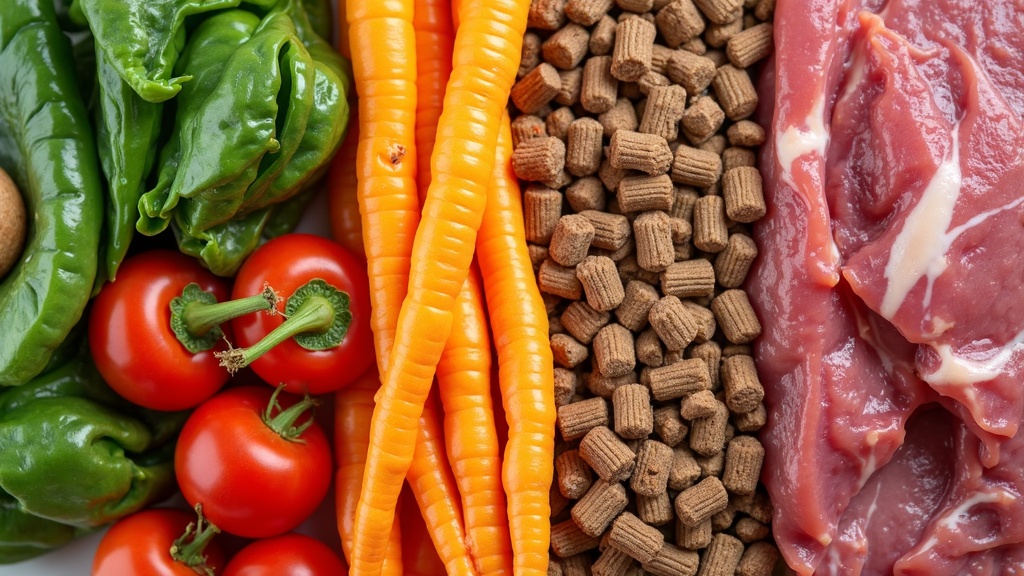
Revealing the Mystery Behind Dog Kibble
At first glance, kibble might seem like a convenient and nutritious option for feeding our pets. However, a closer look reveals a different story. Many commercial dog foods are packed with mysterious ingredients listed under vague terms that evoke skepticism among consumers. Words like 'meat meal' and 'animal digest' embedded in ingredient lists often conceal the true composition of what's inside. It's these ingredients that have started raising eyebrows and prompted dog owners to scrutinize the labels closer than ever before to ensure what's being fed to their pets is genuinely wholesome.
The Role of Fillers and Additives
Fillers are the real culprits in many commercial dog food brands. Corn, wheat, and soy products are commonly used to bulk up food without contributing significant nutritional value. These ingredients not only lack the essential nutrients that dogs need but can also lead to digestive issues and allergies. Preservatives and artificial colors are others slipped into recipes to enhance shelf life and aesthetic appeal—additions that prioritize logistics over the health of the animals intended to consume them. This awareness has fueled a shift in mentality as more dog owners opt for fresh food alternatives.
Understanding 'By-Products' in Dog Food
The term 'by-product' is frequently used in commercial pet food labeling, but what does it really mean? Often, by-products come from parts of animals not typically consumed by humans. While not necessarily harmful, the lack of transparency regarding the particular parts used can be disconcerting for pet owners. More troubling is the fact that these by-products can include a variety of animal parts and be subject to different quality controls. This ambiguity is one of the driving forces behind the desertion of traditional kibble in favor of fresh meals where the ingredients are clear and simple.
Meet Maria: A Fresh Food Convert
Maria Fernandez, a devoted pet owner from Austin, Texas, shares her enlightening journey from commercial dog food to freshly prepared meals. After her beloved retriever Max developed a series of digestive issues compounded by repeated visits to the vet, Maria felt a change was necessary. "I started looking into what I was really feeding him," Maria explains. "Once I learned about the fillers and questionable ingredients, I knew it was time to try something different." Since the switch, Maria has noticed improvements in Max’s energy levels and coat condition, attributing these positive changes to a diet of tailored, fresh ingredients.
The Science of Tailored Nutrition
The trend towards fresh dog food is not just a shift in ingredients—it's a shift towards tailored nutrition aligned with the latest canine dietary studies. Fresh dog food companies often collaborate with veterinarians and nutritionists to create meals that cater to a variety of need-based dog diets. Emphasizing high-quality proteins, essential fats, and digestible carbohydrates, the focus is on optimizing the health and longevity of pets. Pet owners are beginning to value this customized approach over the one-size-fits-all nature of conventional kibble offerings.
The Fresh Meal Transition: A Practical Overview
Switching to fresh meals doesn't have to be daunting, although it does require a change of mindset and habits. Many pet owners start by incorporating fresh food into existing diets gradually, allowing for a smooth transition for their pets. It's important to balance proteins with the right mix of vegetables and carbohydrates, ensuring dogs receive a comprehensive, balanced diet. Fortunately, for those who find home preparation overwhelming, several companies now offer pre-prepared fresh meals, delivered directly to their doorstep—saving time while ensuring quality nutrition.
The Environmental Footprint of Fresh Meals
In addition to health benefits, the shift to fresh meals also brings with it a positive environmental impact. By reducing reliance on industrialized pet food production, there's a decrease in carbon emissions associated with mass production and packaging. Furthermore, fresh meals often utilize locally sourced ingredients and sustainable farming practices, which align with eco-conscious values. Hence, the benefits of transitioning to fresh meals extend beyond the bowl, contributing to a larger environmental good.
Navigating the Fresh Food Marketplace
As demand for fresh dog food rises, so does the number of companies offering specialized meal plans for pets. Navigating this crowded market can be daunting, but armed with the right knowledge, pet owners can make informed choices. It's crucial to research brands, scrutinize ingredient lists, and get recommendations from veterinarians. Transparency and quality are key indicators of a reliable company. Consistently positive reviews and clear labeling practices are also telltale signs of an authentic fresh dog food provider.